



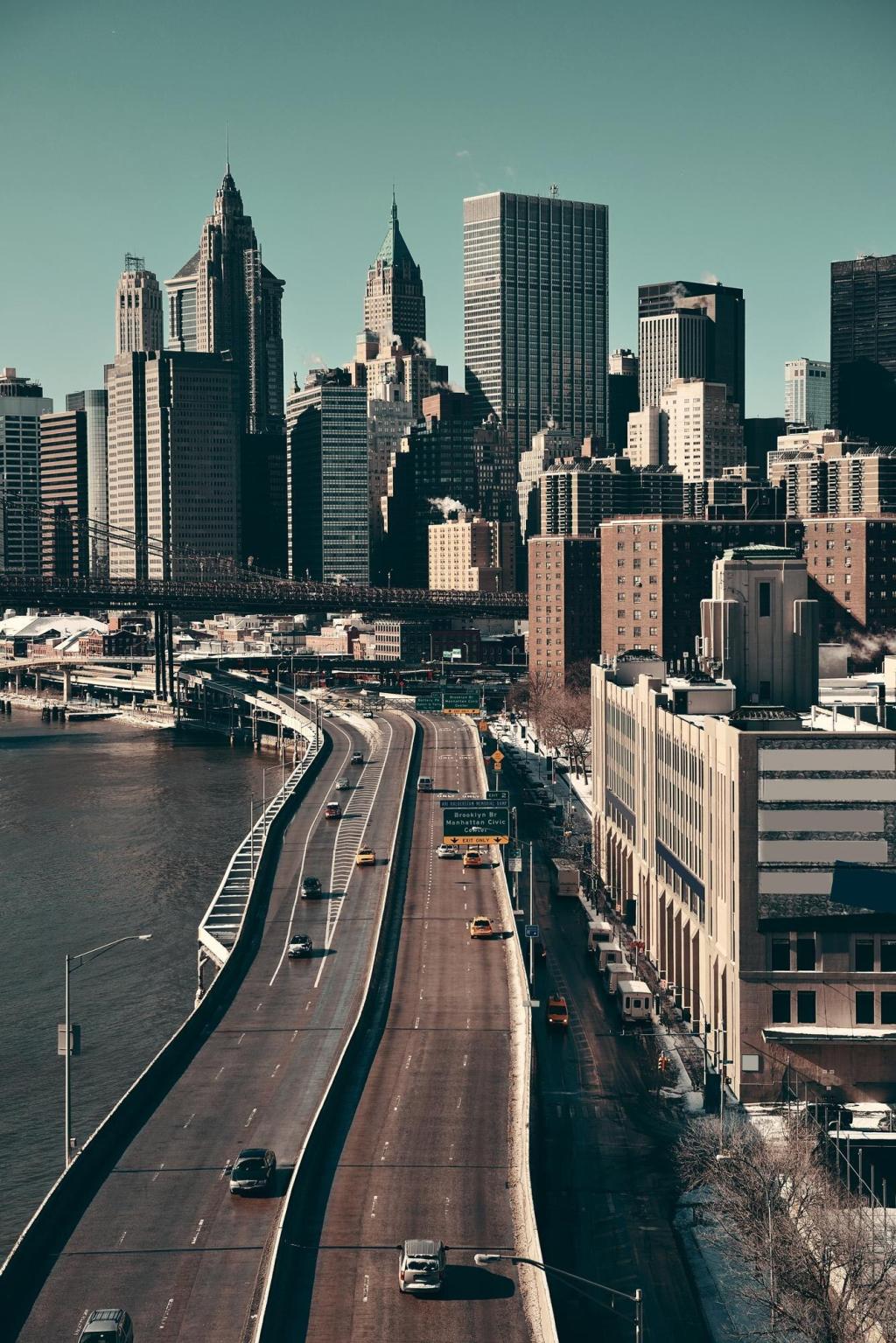



Top Tips for Capturing Urban Architecture

Theme chosen: Top Tips for Capturing Urban Architecture. Step into the city with fresh eyes and a ready shutter, exploring techniques, stories, and small rituals that help buildings speak through your photographs. Subscribe and share your favorite city shot to join our growing community.

Golden Hour vs Blue Hour Tactics

Golden hour caresses facades, rounding hard edges and revealing subtle textures that midday glare flattens. Blue hour elevates glass and steel, allowing balanced exposures with glowing skies and lit windows. Experiment with silhouettes versus gentle highlights, and share which hour best reveals your skyline’s personality.

Taming Harsh Midday Contrast

When the sun is high, seek shade lines, underpasses, and north-facing walls. Bracket exposures for HDR without overcooking highlights. Use a polarizer cautiously on glass, and expose for the brightest reflective surface. Try black-and-white to turn contrast into drama, then tell us how you salvage noon light.

Weather as a Design Tool

Rain deepens color and adds reflective puddles that mirror towers beautifully. Fog simplifies clutter, isolating silhouettes and crown details. After a storm, low sun kisses wet facades with luminous contrast. Keep a microfiber cloth handy, shoot safely, and comment with your best weather-made transformation.
Sidewalk seams, tram rails, and cornice lines can shepherd viewers toward a focal detail or horizon. Align horizons carefully to avoid unintended tilts. Experiment with one-point versus two-point perspective to emphasize either depth or dimensionality, then post your favorite vanishing point experiment.
Grand entrances love symmetry; modernist clusters thrive on balanced asymmetry. Frame around a central axis, then intentionally break it with a passerby or a single bright window. This tension feels human and dynamic. Show us a frame where a small disruption made the structure feel alive.
Lamp posts, bikes, or trees as foreground elements add depth and scale. A lone figure instantly contextualizes massive structures. Step back and layer planes: foreground, facade, skyline. Try crouching low to exaggerate vertical reach, and tell us which angle unexpectedly amplified your subject.

Perspective, Access, and Ethics

Parking decks, public terraces, and pedestrian bridges can unlock symmetrical sightlines and uninterrupted rooflines. Always scout at midday for nighttime returns. I once waited on a quiet garage ramp for a transit line curve to align, and the resulting frame still makes me grin.

Perspective, Access, and Ethics

Ask permission where needed, especially in residential complexes or private courtyards. Avoid blocking entrances and respect security staff. Faces in windows deserve privacy. Kindness gets you invited back; arrogance closes doors. Share a time courtesy earned you access.

Color, Texture, and Material Stories

Use complementary color contrasts—teal glass against orange sunset, rust metal against blue sky—to add energy. Muted palettes suit historic districts. Look for repeating color accents like doors or signage to unify a series. Post a frame where color did the storytelling.

Human Scale and Motion

A walking commuter or cyclist anchors monumental forms, revealing proportion. Try slower shutter speeds for gentle motion blur that keeps lines static and life flowing. I once shot a library facade with blurred readers, and the architecture felt suddenly compassionate.

Historic Clues and Cultural Layers

Plaques, cornices, brick repairs, and ghost signs speak of eras and uses. Photograph details in pairs: a close-up and a contextual frame. Invite viewers to read the city’s margins. Comment with a detail that changed how you saw a building.

Series, Sets, and Sequencing

Think in threes: establishing shot, detail, and moment. Sequence images to guide emotion—calm to bold, warm to cool, wide to intimate. Publish as a mini-story and ask for feedback on pacing. We would love to see your first triptych.

Editing with Respect for Geometry

Begin with lens profile corrections, then use vertical and horizontal transforms to straighten lines. Avoid over-tilting that warps proportions. When distortion remains, crop strategically rather than forcing geometry. Show before-and-after examples to teach others.

Editing with Respect for Geometry

Use selective adjustments to lift shadow detail without flattening the scene. Nudge white balance to match materials—brick warmth, concrete neutrality, glass coolness. Gentle clarity enhances texture; too much feels brittle. Share your favorite subtle slider move.
Genorivalexononex
Privacy Overview

This website uses cookies so that we can provide you with the best user experience possible. Cookie information is stored in your browser and performs functions such as recognising you when you return to our website and helping our team to understand which sections of the website you find most interesting and useful.