
City Lights and Long Exposures: A Beginner's Guide
Welcome to a night where streets glow and time stretches. Today’s chosen theme: City Lights and Long Exposures: A Beginner’s Guide. Discover simple techniques, practical tips, and real stories to help you capture breathtaking urban nightscapes. Subscribe for more nocturnal inspiration and share your first long-exposure attempts with our community.
Long Exposure Fundamentals Under Urban Glow
Think of shutter speed as time poured onto your sensor. Longer exposures, like 5 to 30 seconds, smooth bustling traffic into elegant ribbons. Experiment at a quiet intersection first, noting how each second changes light trails.

Tripods and Remote Triggers
A stable tripod is non-negotiable for long exposures. Combine it with a remote shutter or camera timer to avoid vibrations. Even a lightweight travel tripod can be enough if you weigh it down with a bag.
Lenses That Love the Night
Wide-angle lenses capture sweeping avenues and towering skylines, while fast primes isolate glowing signs with creamy bokeh. Start with a 24mm or 35mm, then experiment to find the focal length that fits your storytelling style.
Scouting the City and Staying Safe
Bridges, overpasses, and elevated sidewalks offer dynamic lines and motion. Always respect signage and property boundaries. A quick map search and daylight walk-through can reveal brilliant compositions you might miss at night.
Creative Techniques With Light Trails
Composing Car Trails With Purpose
Position curves, intersections, or tunnels to guide the eye. Frame so trails enter and exit elegantly, avoiding chaotic tangles. One memorable shot often comes from waiting patiently for the exact bus or taxi to pass just right.
Color Control and White Balance at Night
Taming Mixed Light Sources
Expect a cocktail of color temperatures. Choose a white balance that serves your story, not strict neutrality. Embrace contrast between warm streetlights and cool skies, and keep skin tones believable if people appear in frame.
Shooting RAW for Flexibility
RAW files give room to correct color casts without destroying detail. Adjust temperature and tint gently, then fine-tune individual hues. Establish a consistent palette across a series so your urban night set feels cohesive.
Post-Processing for Long Exposure Brilliance
Noise Reduction and Sharpening Balance
Apply noise reduction selectively to skies and shadows, preserving edges around signs and architecture. Follow with careful sharpening. The goal is crisp, not crunchy, detail that keeps night textures believable and inviting.
Removing Ghosts and Stray Elements
Long exposures can create faint pedestrians or odd light blobs. Use masking, healing tools, or multiple frames to remove distractions. Keep authentic motion while clearing clutter that weakens your composition’s intention.
Blending and Stacking Techniques
Consider merging exposures to balance highlight detail and shadow depth. Stack frames for denoising or combine different traffic passes for fuller trails. Keep records of settings and layers to replicate your favorite looks easily.
Building a Narrative Through Sequence
Arrange images from dusk to deep night, or follow a single avenue’s heartbeat. Add brief captions about shutter choices or locations. Invite readers to suggest the next corner you should explore and photograph.
Publishing and Community Feedback
Post at times your audience is active, and use thoughtful hashtags relevant to city photography. Ask for critiques about composition and color. Encourage readers to share their settings so everyone learns together.
A Personal Anecdote to Inspire
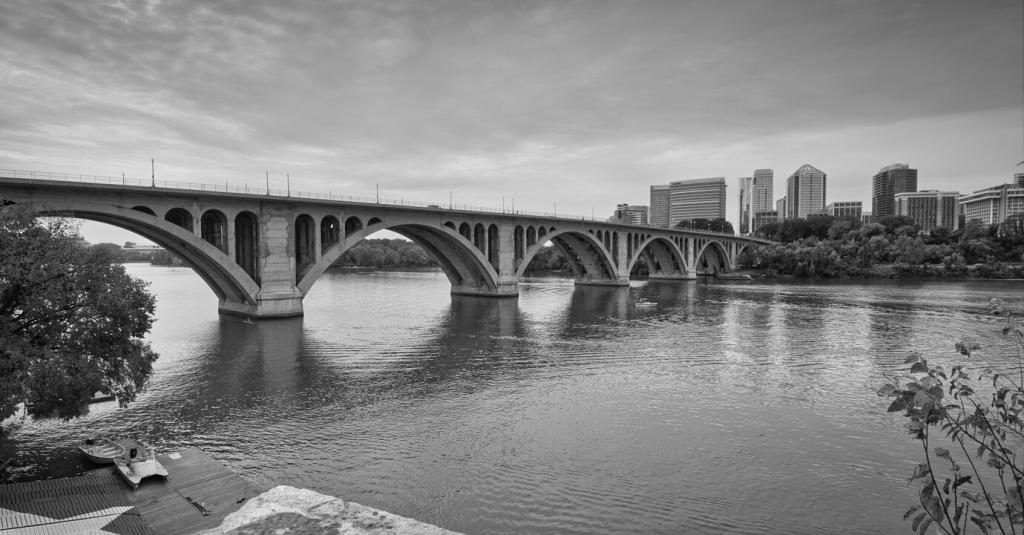
My first long exposure under a river bridge turned a chaotic road into glowing threads. A passerby asked what I was doing, and we watched the trails appear together. Share your moment like that in the comments below.