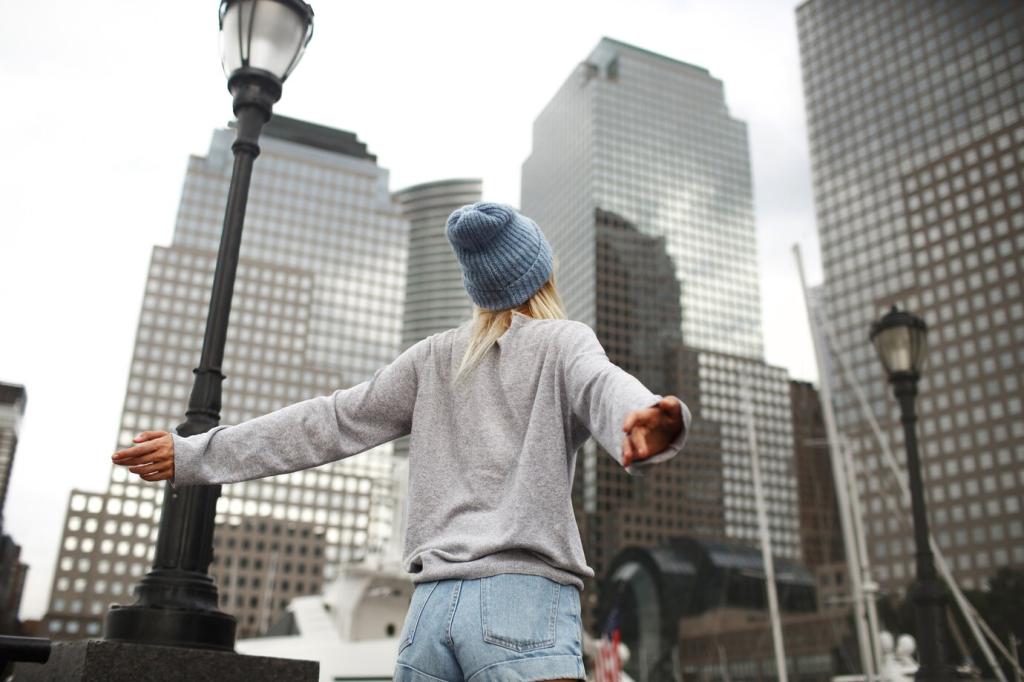
Creative Composition Techniques for Urban Shots

Chosen theme: Creative Composition Techniques for Urban Shots. Welcome to a city-sized canvas of lines, light, and living stories. Let these techniques lift your eye above the chaos, sharpen your instincts, and inspire images that feel as alive as the streets themselves. Subscribe and share your best city composition today.

Framing the City: Foundations that Guide the Eye

Railings, crosswalk stripes, tram tracks, and shadow edges can act like magnetic arrows, pulling the eye toward a subject or skyline. Position yourself so lines converge where your story peaks. I once waited at dawn until bus headlights aligned perfectly, turning a routine corner into a glowing pathway.

Framing the City: Foundations that Guide the Eye

Use the rule of thirds to place a person against towering architecture, then experiment with bold, centered symmetry for grand entrances and tunnels. When a scene feels balanced but dull, nudge your subject off-center and add tension. Share a pair of shots where you deliberately broke the rule.
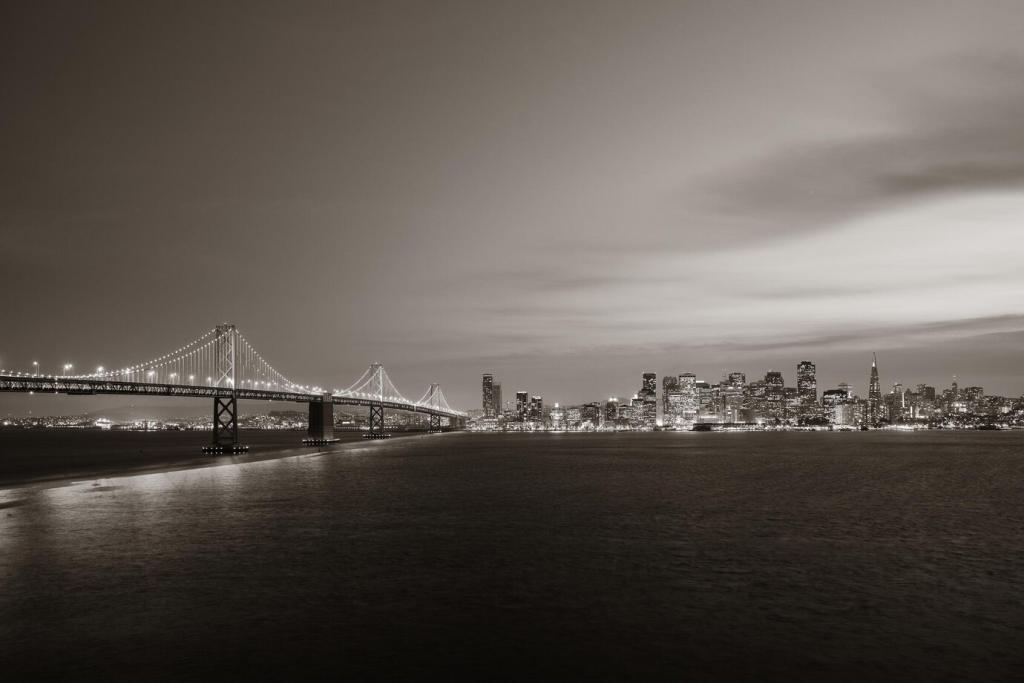
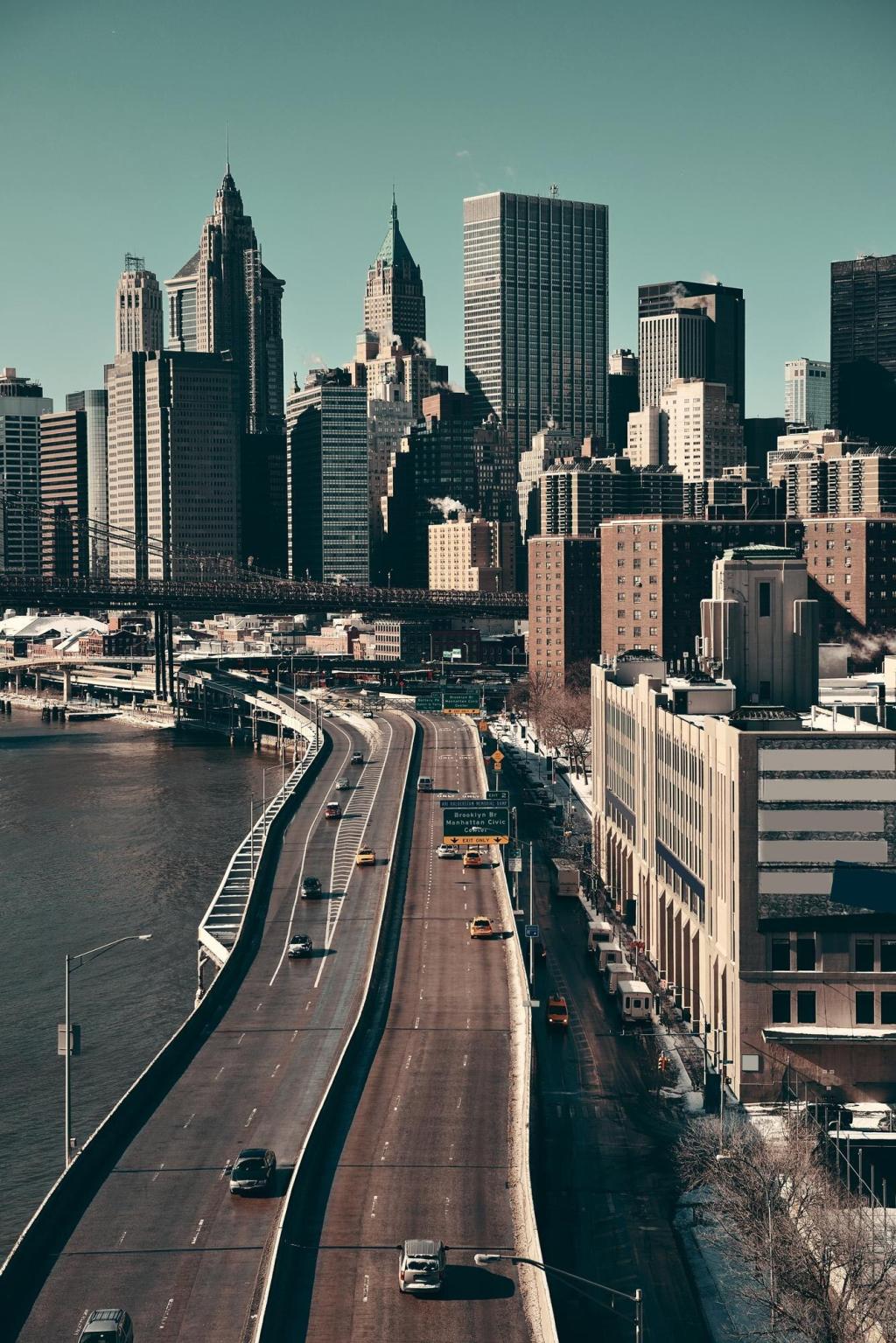
Depth, Layers, and Foreground Magic

A shallow puddle doubles the skyline, turning a cracked street into a mirror. Windows blend interior life with street action. Kneel low, tilt your lens, and watch reflections align with your subject. On a rainy afternoon, a taxi’s yellow streak completed my frame like a brushstroke across water.

Depth, Layers, and Foreground Magic

Use archways, scaffolding, doorways, and even parked bikes to enclose your subject, guiding attention and adding narrative. Shift left or right until lines kiss the edges without pinching. Invite a friend to stand in the frame’s heart for scale, and post your side-by-side experiments with different frames.

Color, Contrast, and Mood that Stick

Hunt for color pairs that vibrate, like orange jackets against deep blue glass or teal doors near rusted brick. Place the accent color where lines converge to anchor the eye. A tiny splash can command the whole image. Try muting surrounding hues to let the pop sing louder.

Symmetry, Patterns, and Architecture’s Grammar

Stand dead center for mirrored hallways, bridges, and facades, then tilt slightly to introduce tension when scenes feel too stiff. The micro-shift can energize the frame. I found a station platform that looked lifeless until a one-step lean turned stillness into dynamic balance.

Symmetry, Patterns, and Architecture’s Grammar

Seek repeating windows, tiles, benches, or balconies, and let them fill the frame. Then wait for the breaker: a person in a bright coat, an open window, or a missing tile. The disruption becomes your headline. Post two versions and ask readers which interruption feels most meaningful.

Symmetry, Patterns, and Architecture’s Grammar

Compose with triangular supports, crisscrossing cables, and grid-like reflections to interlock subjects. Overlap shapes to suggest depth without clutter. Align corners carefully to avoid tangents that flatten space. Try sketching the shapes you see before shooting, then compare your drawing to the captured frame for clarity.
Genorivalexononex
Privacy Overview

This website uses cookies so that we can provide you with the best user experience possible. Cookie information is stored in your browser and performs functions such as recognising you when you return to our website and helping our team to understand which sections of the website you find most interesting and useful.